Why Renewals Are Often Missed Over Time
Renewals don’t follow a daily pattern. Some appear after months, others once a year. Because they are not part of your regular routine, they are easy to forget. Another issue is how scattered everything becomes. Information is spread across emails, messages, and different apps. Without a clear place to check everything, it becomes difficult to stay consistent.
Dates saved across different platforms
Notifications that are overlooked or delayed
No single place to review all reminders
Busy schedules pushing things aside
The Real Impact of Missing Renewal Dates
Missing a renewal may not feel serious at first, but the impact builds slowly. You may end up paying more than expected or lose access to something important without realising it. Over time, these small issues create unnecessary pressure. What could have been handled easily turns into something that needs urgent attention.
Unexpected charges or increased pricing
Loss of access to active services
Time spent fixing avoidable problems
Last-minute decisions without preparation
Simple Ways to Stay Ahead of Renewals
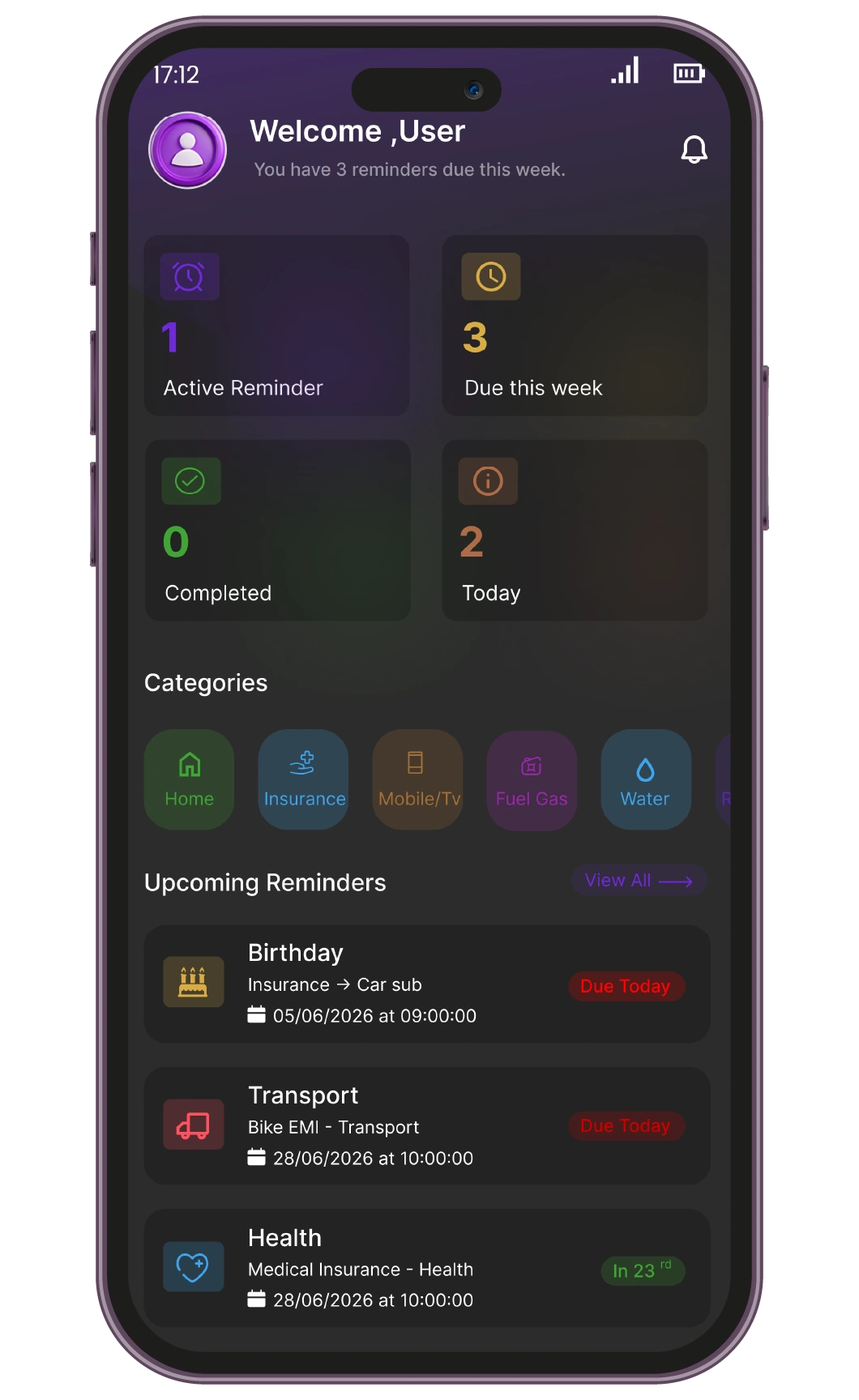
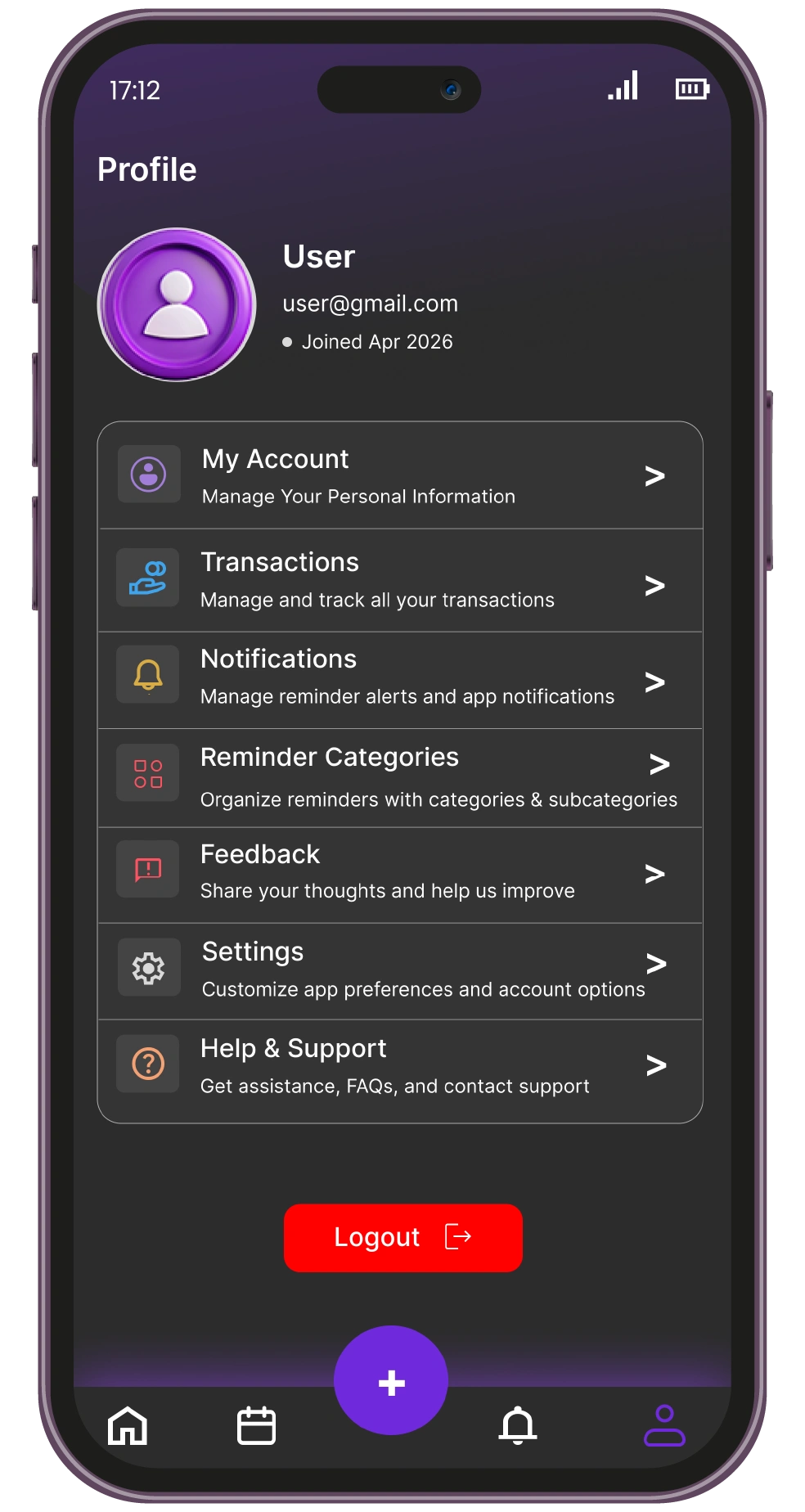
You don’t need a complex method to manage renewals. What matters is having a clear view of what’s coming up and giving yourself enough time to act. Start by gathering everything in one place. So Winngoo D-Remind provides you clear access and monitors your reminders through one powerful dashboard. When your renewals are organised, you can plan instead of reacting.
List all subscriptions, bills, and policies
Record renewal dates in a clear format
Set reminders before due dates
Review upcoming items regularly
Setting Reminder Timing That Actually Works
A reminder on the due date often comes too late. By then, you may already be busy or distracted. Planning ahead gives you more control. When you know something is coming up, you have time to review and decide what to do next. Instead of relying on a single alert, space your reminders in a way that supports your schedule.
Keeping All Reminders in One Clear View
When reminders are scattered, it becomes difficult to stay organised. You end up checking multiple places or relying on memory again. Having everything visible in one place changes that. It gives you a clear understanding of what needs attention without extra effort.
Upcoming renewals that need attention
Completed items already handled
Pending tasks that require action
Weekly overview of important dates
Building a Simple Habit That Actually Lasts
The biggest difference comes from consistency. You don’t need to spend a lot of time managing reminders. A short review once a week is enough to stay aware. This small habit keeps everything in check. It helps you avoid surprises and makes planning feel easier. When this becomes part of your routine, you don’t feel overwhelmed. You stay prepared without thinking too much about it.
Final Thoughts
Renewals are easy to ignore because they don’t demand daily attention. But when they are missed, they often create avoidable problems. The goal is not to remember everything. It is to create a clear system that supports you. When your reminders are organised and visible, you don’t have to worry about missing important dates. You stay aware, and that makes everyday management smoother.