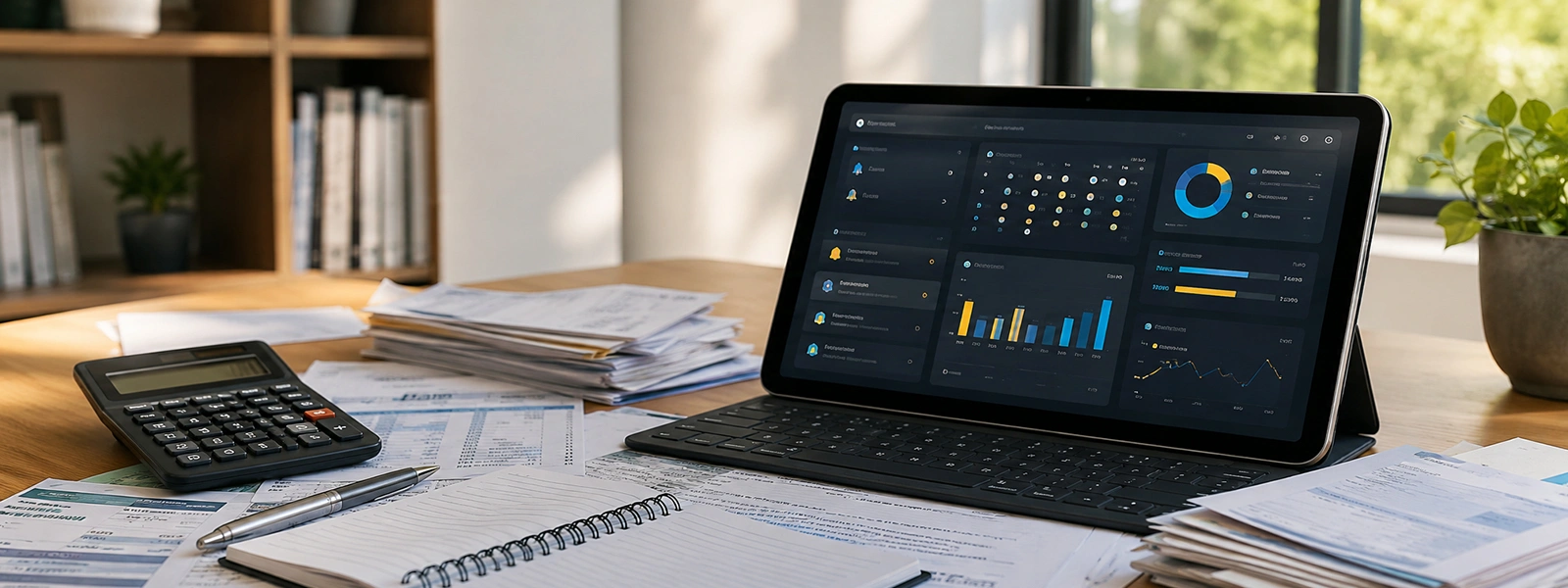
For a long time, budgeting meant sitting down with numbers and trying to make everything fit. People tracked expenses, created limits, and hoped they could follow the plan. It sounded simple, but in reality, it rarely stayed that way. Life doesn’t move in neat lines. Expenses don’t arrive at fixed moments. Something always changes, and that’s usually where budgets start to fall apart. Many people are starting to realise that managing your finances involves more than just keeping track of your expenditures. It's about anticipating the future.
Why Traditional Budgeting Often Feels Difficult to Follow
Most budgeting methods expect consistency. They assume your income, expenses, and routine will stay predictable. But that’s not how everyday life works. Plans that look clear on paper can feel hard to maintain once things start shifting. A few unexpected costs or missed entries are enough to throw everything off.
Tracking every expense becomes tiring over time
Budgets stop reflecting real-life changes
Unexpected payments disrupt planned spending
Irregular review makes it easy to lose track
How Reminders Shift Focus From Tracking to Awareness
Instead of looking back at what has already happened, reminders bring your attention forward. They let you see what’s coming before it turns into a problem.
This small shift changes the way decisions are made. You don’t feel rushed, and you don’t have to adjust at the last moment. You simply know what’s ahead.
Upcoming payments become easier to prepare for
Renewals are reviewed before they happen
Missed deadlines become less frequent
Decisions feel more considered, less reactive
Building A Habit That Fits Into Daily Life
The idea of managing money often feels heavy because it sounds like extra work. But reminders don’t ask for much. Once they are set, they sit quietly in the background until needed. The real benefit comes when this becomes a regular habit. Not something you force yourself to do, but something that fits naturally into your routine.
Setting reminders for recurring payments
Checking upcoming items once a week
Adjusting plans when something changes
Staying informed without constant effort
Why Timing Makes A Noticeable Difference
A reminder that comes too late doesn’t help much. By then, your options are already limited. You might not have time to review or make a change. When you give yourself space before a payment or renewal, the situation feels different. You have time to think. You can decide calmly instead of reacting quickly. That gap between knowing and acting is where better decisions happen.
Seeing Your Financial Commitments Without Searching
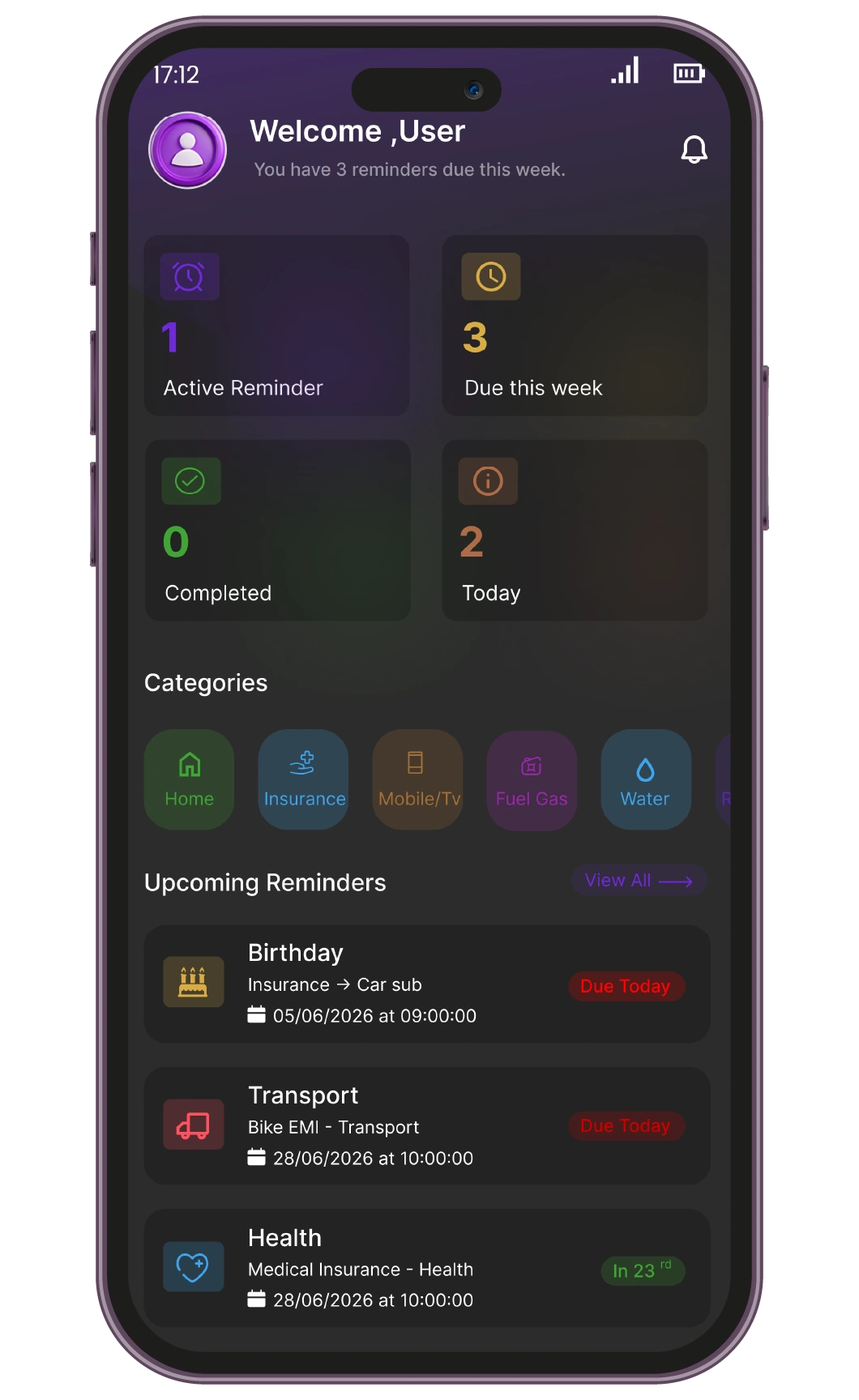
When financial details are spread out, it takes effort just to understand what’s going on. You end up checking emails, messages, or statements to piece things together. Having everything visible in one place removes that extra step. It gives you a clearer picture without needing to search for it.
Payments that are due soon
Items already completed
Recurring expenses across services
What needs attention in the coming days
Making Budgeting Feel Less Restrictive Over Time
One reason people avoid budgeting is because it feels limiting. It often focuses on what you shouldn’t do rather than helping you understand what you are doing. Reminders take a different approach. They don’t restrict your choices. They give you awareness, and that awareness naturally leads to better decisions. You don’t feel like you’re following strict rules. You feel like you’re staying informed.
Keeping The Process Simple and Consistent
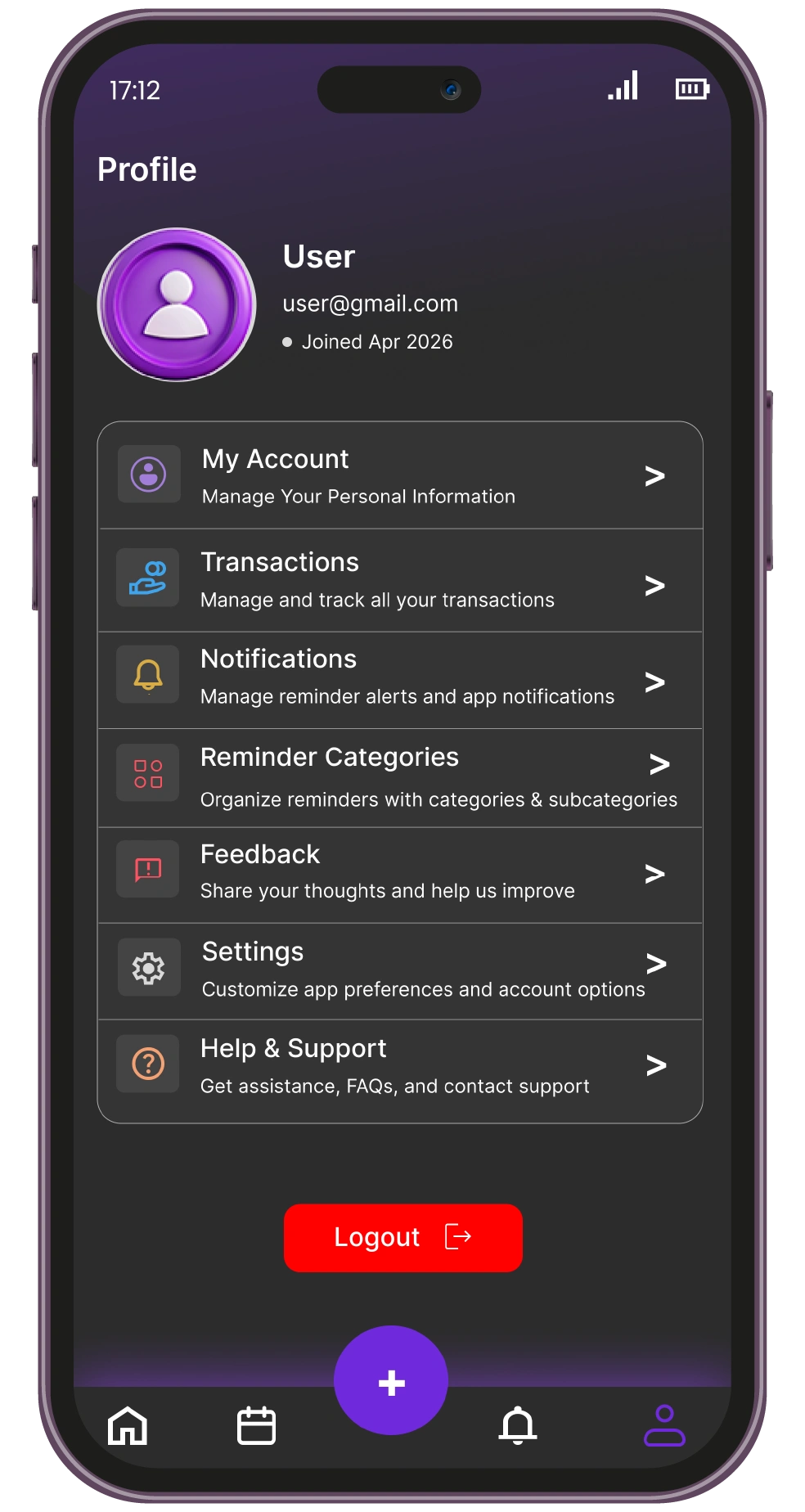
Anything that feels complicated is hard to maintain. The more steps involved, the more likely it is to be ignored after a while. Reminders keep things straightforward. You don’t need to track everything constantly. You just need to know when something needs your attention. Using a system like Winngoo D-Remind brings those details together so you’re not relying on memory or scattered notes.
Final Thoughts
Budgeting doesn’t have to mean constant tracking or strict control. It can be something quieter and more flexible. When you know what’s coming and have time to prepare, you handle things differently. You avoid surprises, and decisions feel less rushed. With Winngoo D-Remind, that awareness becomes easier to maintain. You don’t have to keep everything in mind. You just stay informed at the right moments.