Why Everyday Tasks Slip Without You Noticing
A typical day is filled with different kinds of tasks. Some demand attention immediately, while others stay in the background until they suddenly become urgent. The problem is not the number of tasks. It’s how easily they move out of focus when something else takes priority.
Small tasks getting pushed behind urgent work
Important dates blending into busy schedules
Lack of visibility for what’s coming next
Relying on memory instead of a system
How Small Reminders Change Daily Awareness Naturally
A reminder doesn’t force you to act. It simply brings something back into your attention at the right moment. That moment is often enough. When you see something at the right time, you don’t feel rushed. You understand what needs to be done and can respond calmly.
Noticing tasks before they turn into pressure
Acting with enough time instead of rushing
Keeping track without constant effort
Staying aware without feeling overwhelmed
Turning Small Actions Into Consistent Habits
Big changes rarely happen overnight. They usually begin with small, repeated actions that become part of your routine. Reminders support this without asking for much. You don’t need to build a complex system or follow strict rules. You just need to stay aware of what’s coming next.
Setting reminders for everyday responsibilities
Checking upcoming tasks at regular intervals
Keeping things updated without overthinking
Letting the process become part of your routine
Why Timing Matters More Than Effort
Effort alone doesn’t always lead to better organisation. You can try hard to remember everything, but if something comes to mind too late, it doesn’t help much. Timing is what makes the difference. You can act without feeling compelled when you see something at the appropriate time. Your approach to the day is altered by that change. You're staying ready instead of catching up.
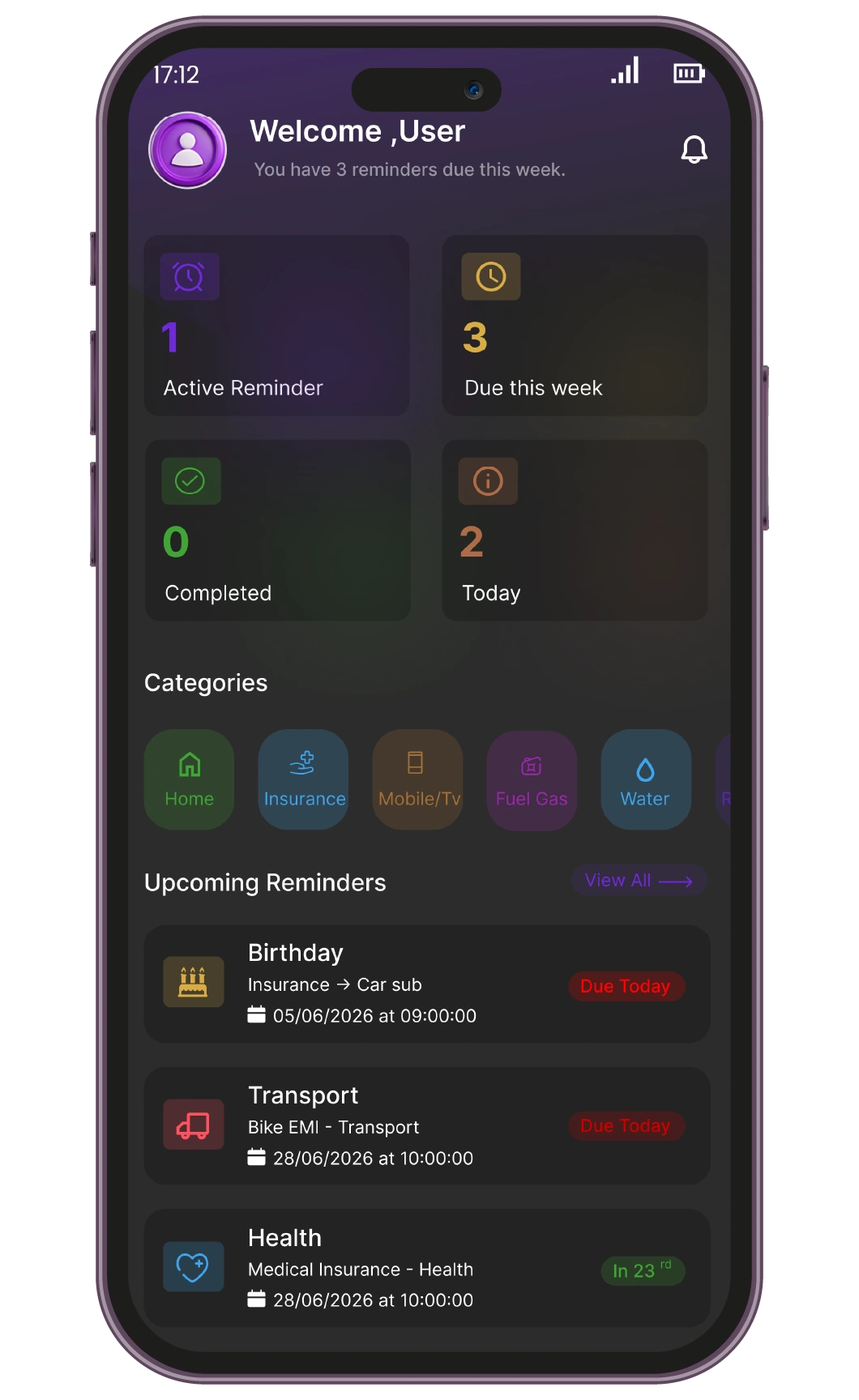
Seeing Your Day With More Clarity
When tasks are scattered across different places, it becomes harder to understand what needs attention. You may remember some things, but not all of them. A clear view removes that uncertainty. It helps you move through your day without second-guessing what might be missing.
Tasks that are coming up soon
Things already completed and out of the way
Items that need immediate focus
What’s planned for the next few days
Making Life Feel More Manageable Over Time
Life doesn’t become easier because there are fewer tasks. It becomes easier when you know how to handle them. Small reminders reduce the mental effort needed to stay organised. You don’t carry everything in your mind. You let the system support you. Over time, this creates a smoother flow. You feel less rushed, less distracted, and more in control of your day.
Keeping Things Simple Without Losing Control
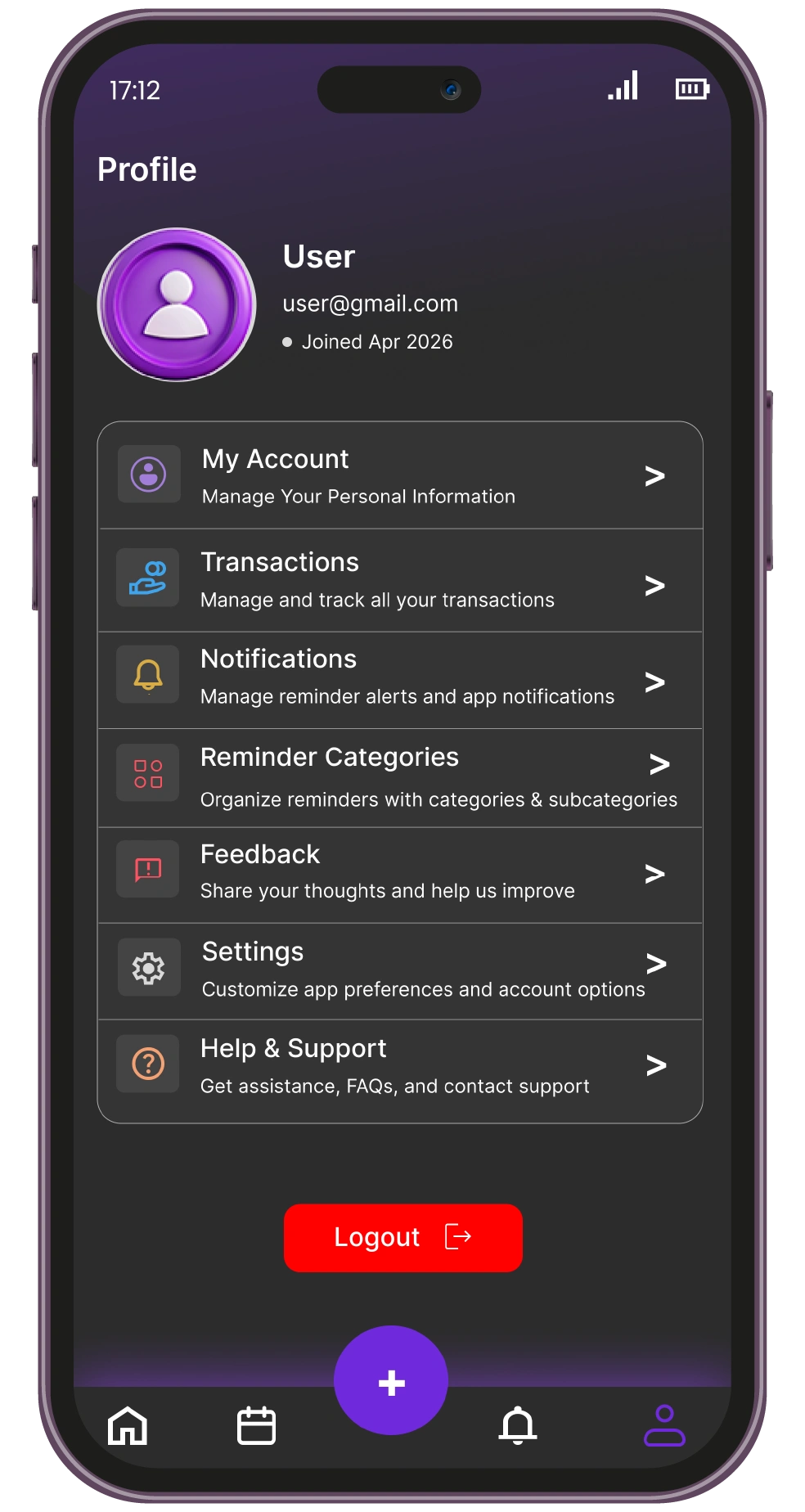
The idea of managing everything can feel overwhelming when it sounds complicated. But small reminders keep things simple. They don’t require detailed planning or constant updates. Once they are set, they work quietly in the background. Using a system like Winngoo D-Remind helps bring all your reminders into one place, making it easier to stay aware without extra effort.
Final Thoughts
Small reminders don’t seem powerful on their own. But when used consistently, they change how you approach everyday life. You stop relying on memory and start relying on awareness. You move from reacting to preparing. With tools like Winngoo D-Remind, this shift becomes easier to maintain. You don’t need to manage everything at once. You just need to stay aware of what matters at the right time.