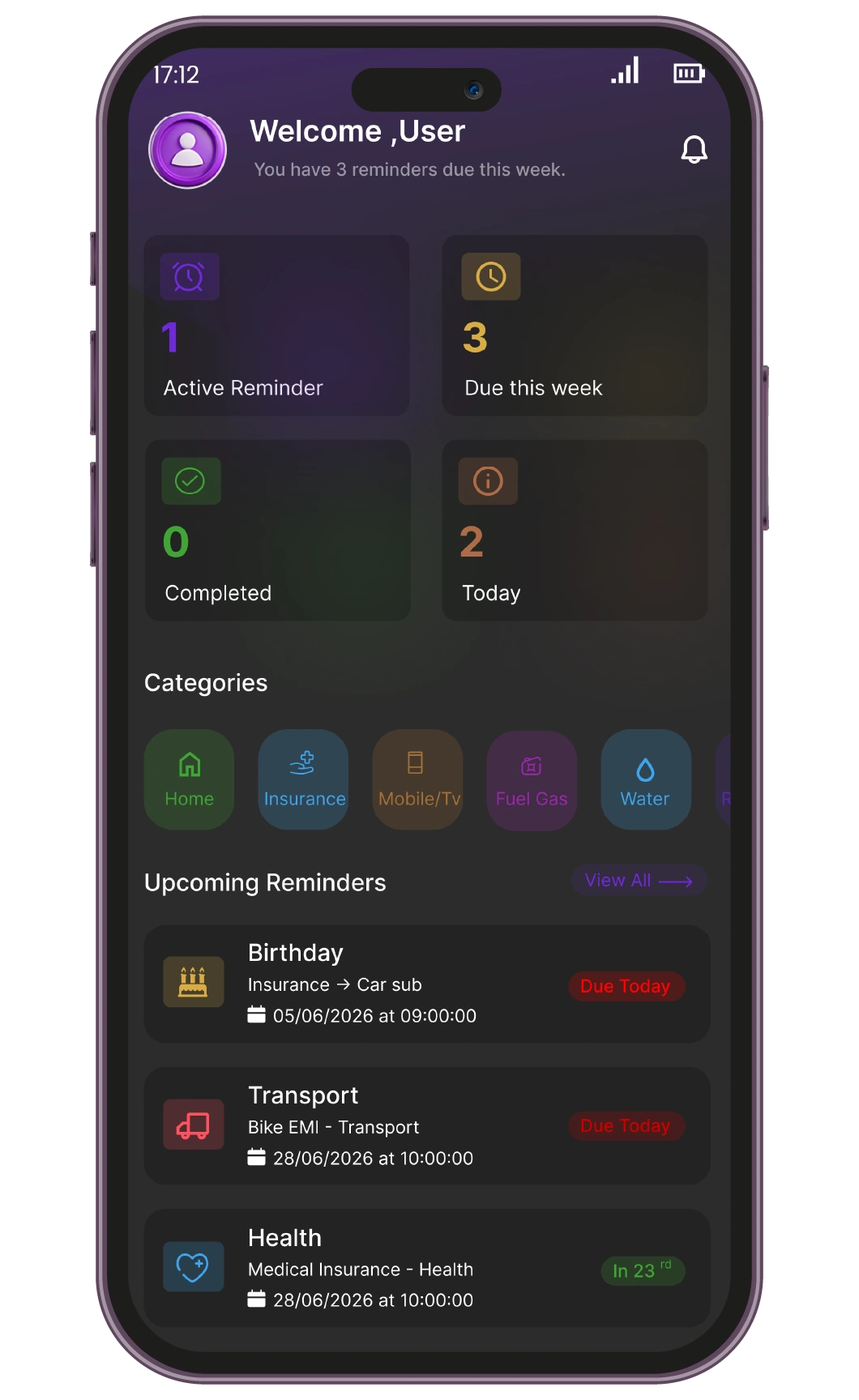
Most people don’t think of reminders as something that can affect their finances. They are usually seen as small tools—helpful, but not important. But over time, one simple habit can quietly change how money is managed. It doesn’t start with a big decision. It begins with something small—keeping track of what’s coming next. When you know what needs attention before it arrives, you stop reacting to situations and start planning ahead. That shift alone can make a noticeable difference.
Why Financial Mistakes Often Come From Small Oversights
Large financial problems rarely appear all at once. They usually build from smaller, overlooked details. A missed payment, a forgotten renewal, or an unnoticed charge may not seem serious at the moment. But when these happen repeatedly, they begin to affect overall spending.
Payments made without prior review
Renewals processed without awareness
Missed due dates leading to extra charges
Lack of visibility into upcoming expenses
How Awareness Changes Everyday Financial Decisions
The moment you start paying attention to upcoming payments, your decisions begin to shift. You no longer deal with things after they happen. You prepare before they arrive. This awareness gives you time to think. Instead of reacting quickly, you can review whether something is still needed or if a better option is available.
Reviewing subscriptions before renewal
Deciding which services to continue or cancel
Planning payments instead of handling them last minute
Reducing unnecessary or repeated expenses
Turning Reminders Into a Consistent Habit
A reminder only works when it becomes part of your routine. It’s not about setting one alert and forgetting it. It’s about building a pattern where you regularly stay aware of what’s ahead. This doesn’t take much effort. A few minutes of review at the right time can prevent many small issues from building up. When reminders become a habit, they stop feeling like tasks. They become part of how you stay organised.
Checking upcoming reminders once a week
Noticing patterns in recurring expenses
Keeping track of important financial dates
Staying prepared for upcoming commitments
Why Timing Matters More Than You Think
The timing of a reminder can change how useful it is. If it comes too late, it doesn’t give you time to act. If it comes earlier, it allows you to think and decide calmly. Having a gap between awareness and action makes financial decisions easier. You don’t feel rushed, and you avoid making quick choices under pressure. This simple adjustment improves how you handle payments, renewals, and subscriptions.
Seeing Financial Commitments in One Place
When financial details are scattered, it becomes difficult to understand the full picture. You may know individual payments but not how they connect. Bringing everything together creates clarity. You can see what is coming up and how often it occurs.
Upcoming payments that need attention
Recurring expenses across different services
Completed payments already handled
Patterns in monthly or yearly spending
This visibility helps you stay in control without needing to search for information.
How Small Habits Lead to Long-Term Stability
Financial stability is not built from large changes alone. It often comes from small, repeated actions that reduce mistakes over time. When you stay aware of your commitments, you avoid unnecessary costs. You also make more thoughtful decisions about where your money goes.
Over time, this leads to:
Better control over spending
Fewer unexpected charges
More confidence in financial planning
Reduced stress around payments
A simple reminder habit supports all of these without adding extra effort.
Making the Habit Easier to Maintain
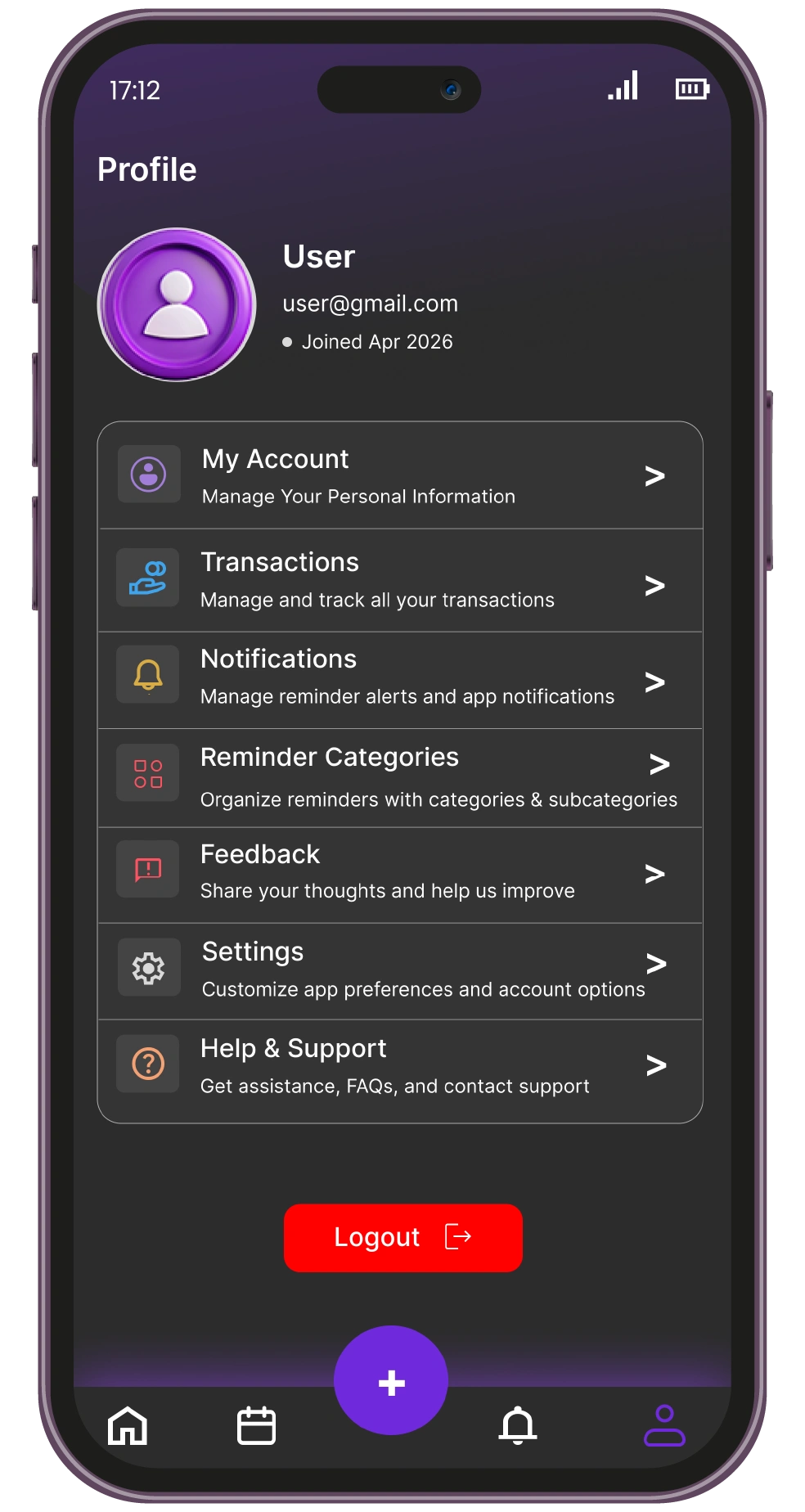
The key to maintaining any habit is simplicity. If it feels complicated, it won’t last. Reminders should make things easier, not harder. Using a structured system like Winngoo D-Remind helps keep everything organised in one place, so you don’t have to track details across different sources. It also allows you to stay aware without needing constant attention. Once the system is in place, it supports your routine quietly in the background. Over time, this reduces the need to remember every detail manually.
Final Thoughts
A single reminder habit may not seem significant at first. But when it becomes consistent, it changes how you approach your finances. Instead of reacting to unexpected charges or missed deadlines, you begin to anticipate them. That shift brings more control and less stress. Tools like Winngoo D-Remind support this approach by keeping your reminders visible and timely, helping you stay aware without extra effort. In the end, it’s not about managing everything perfectly. It’s about staying aware enough to make better decisions, one step at a time.